By Segun Olape
Football is an emotional sport. Players make mistakes. They miss chances. They lose games.
Fans react. That is normal. But what happened to Tolu Arokodare after a recent match shows how quickly football anger can turn into something much worse.
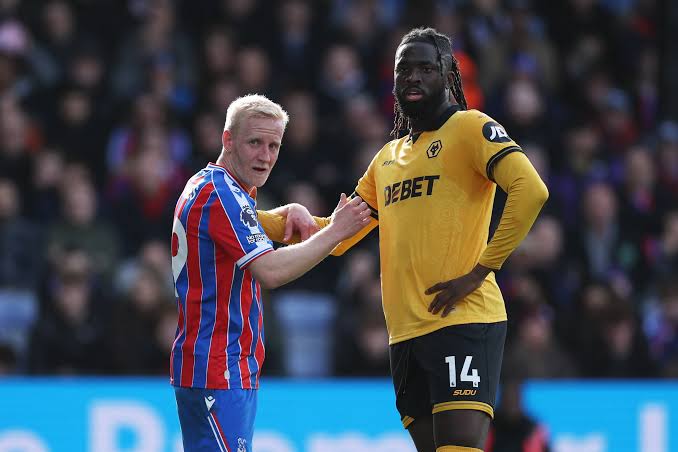
Arokodare, a Nigerian striker for Wolverhampton Wanderers, found himself at the centre of attention after his team lost 1–0 to Crystal Palace at Selhurst Park.
During the game, he missed a penalty in the first half.
In football, penalties are big moments. When a striker steps up to take one, the pressure is huge. If he scores, he is praised. If he misses, he is criticised.
That is part of the game
Instead of just football criticism, Arokodare received racist messages on Instagram. Some of the messages included monkey emojis and racial insults.
These were not comments about his performance. They attacked his skin colour and his identity. That is racism. And it has no place in football.
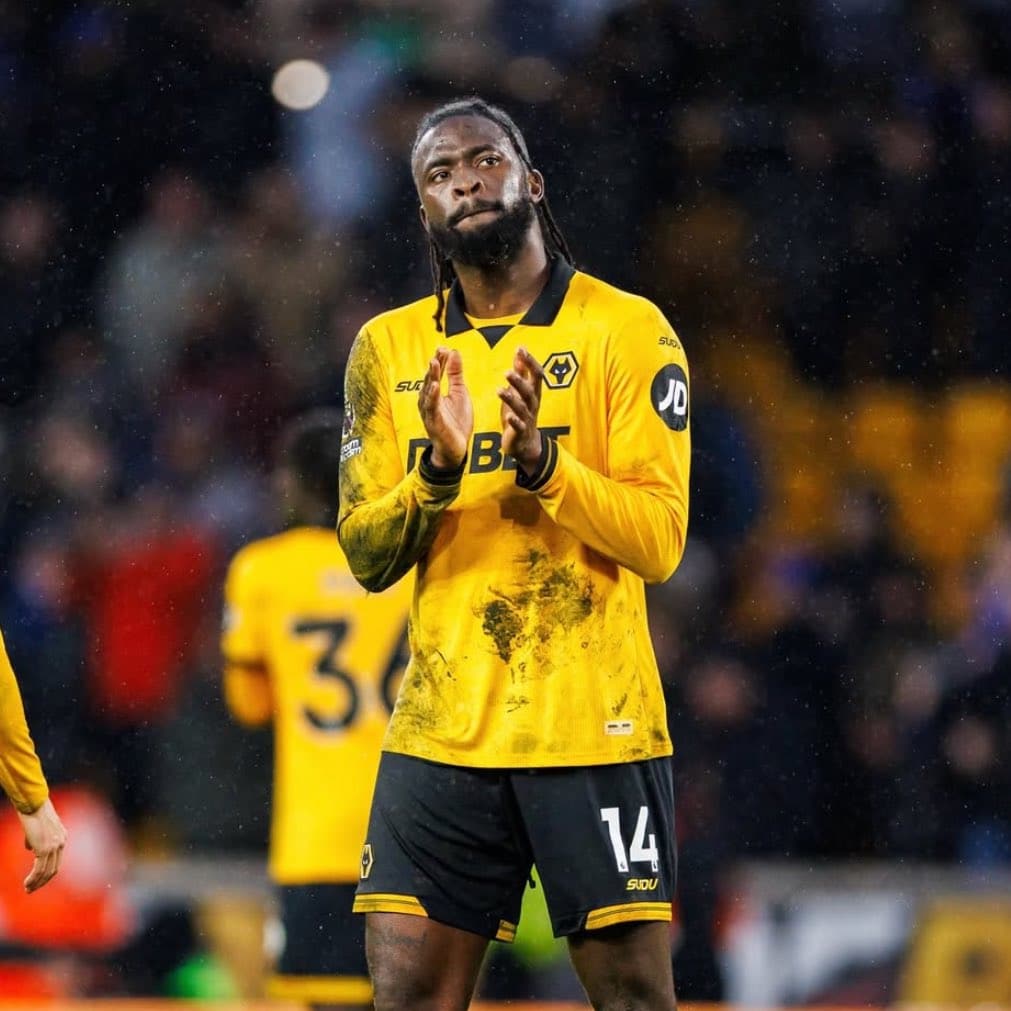
Arokodare decided not to stay quiet. He shared screenshots of the messages on his social media page. By doing this, he showed the world what he was facing. It was not just one angry fan. It was clear abuse. His post made many people realise that players still suffer this kind of treatment in 2026.
Wolves reacted quickly. The club released a strong statement saying they were disgusted by the abuse. They made it clear they fully support their player.
They also said there is no place for racism in football or in society. The club reported the abusive accounts and promised to work with the Premier League and the authorities to help find those responsible.
This situation is not just about one match. It shows a bigger problem in modern football.
Years ago, racism mostly happened inside stadiums. Fans would shout abuse from the stands. Today, stadium security is tighter. There are cameras everywhere. Clubs can ban fans. But now, much of the abuse happens online.
Social media gives people the chance to hide behind fake names and pictures. They feel safe saying terrible things because they believe they will not be caught.
For players, this means the abuse follows them everywhere. It is no longer limited to 90 minutes on the pitch. After the game ends, they check their phones and see hateful messages waiting for them. That can hurt deeply.
Think about the situation from Arokodare’s side. He already felt disappointed about missing the penalty. Strikers judge themselves on goals.
He probably replayed the moment in his head many times. That is normal for a professional footballer. But then, instead of support or simple criticism, he sees racist insults. That adds emotional pain to sporting disappointment.
Racism affects more than performance. It affects mental health. Players are human beings. They have families. They have feelings. Reading hateful messages about your race can cause stress, anger, sadness, and even fear. Some players choose to stay silent. Others speak out. Arokodare chose to speak.
His decision is important because silence allows problems to continue. When players expose racism, it forces clubs and leagues to act. It also educates fans about the damage caused by online abuse.
The Premier League has run many anti racism campaigns over the years. Players take the knee before matches. There are messages on shirts and banners in stadiums. These actions raise awareness. But awareness alone is not enough. Real change requires punishment for offenders.
One major challenge is identifying the people behind fake accounts. Social media companies must do more to track and remove racist users quickly. Law enforcement also has a role to play.
Racist abuse online should have real consequences, just like abuse in a stadium.
Another important lesson from this case is the role of clubs.
Wolves did the right thing by standing firmly behind their player. Public support matters. It tells the player he is not alone. It also sends a message to fans that the club will not tolerate such behaviour.
But long term change requires more than statements. Education is key. Young fans must understand why racism is wrong. Schools, families, and communities all play a role. Football clubs can support this by running community programmes and workshops.
The case of Tolu Arokodare is sadly not unique. Many players in England and across Europe have faced similar abuse after poor performances or big mistakes. This shows that the problem is not about one club or one group of fans. It is a wider issue in society.
At its heart, football is supposed to be about skill, teamwork, and passion. It should not be about hate. A missed penalty should lead to football debate, not racial insults. Criticism of performance is part of sport. Racism is not.
Arokodare’s experience reminds us that the fight against racism is not over. Progress has been made, but there is still work to do. Players must feel safe, respected, and valued, no matter their background.
If football truly wants to be a game for everyone, then everyone must help protect it. Fans must speak out against racism. Clubs must act strongly. Leagues must enforce strict rules.
Social media companies must take responsibility.
Only then can the focus return to where it belongs — on the beauty of the game, not the ugliness of hate.