By Taiwo Sportivation Ibrahim
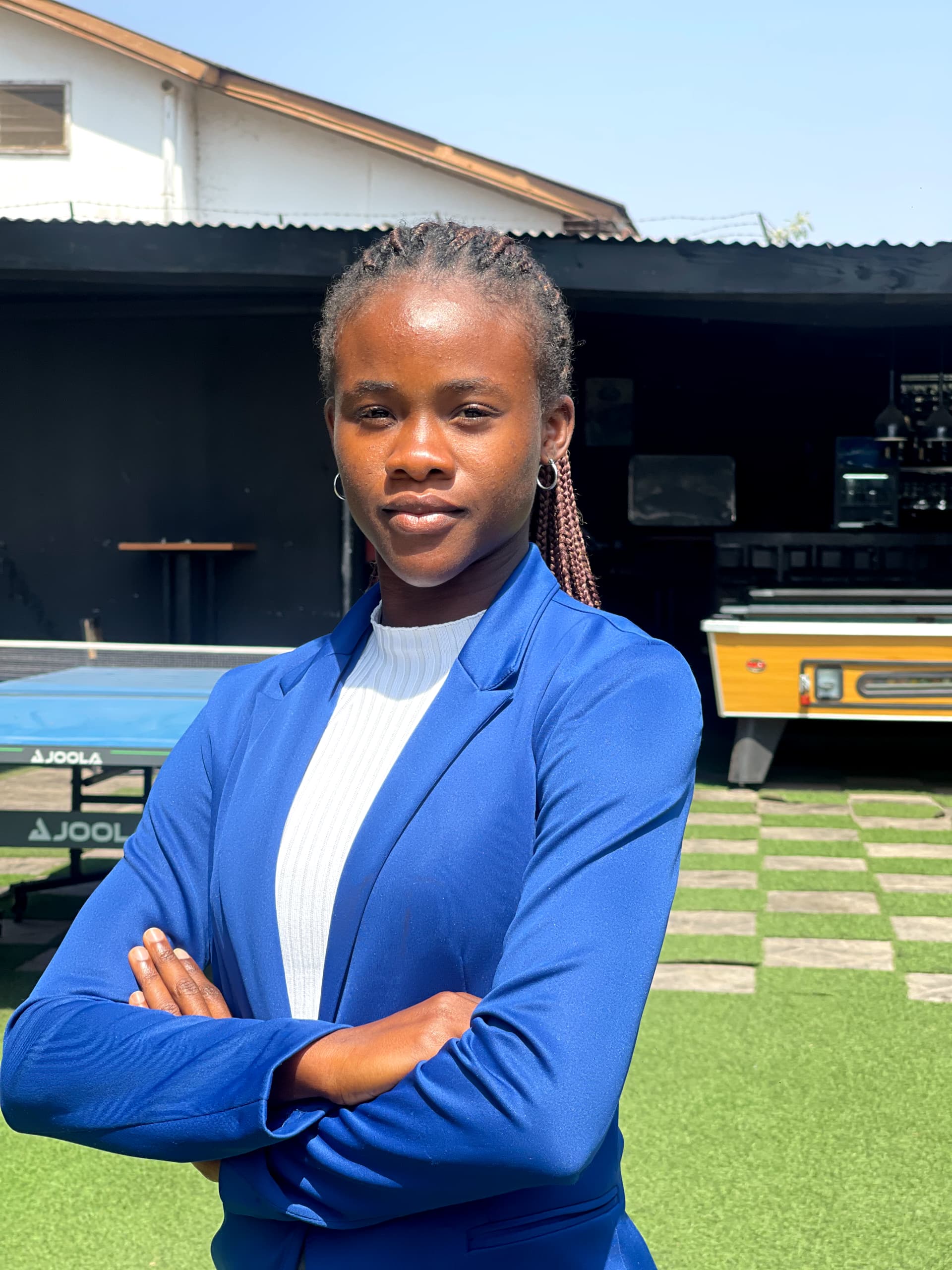
Catherine Olusola Aderinboye has opened up on the reasons behind her decision to start the Girls on Track campaign, which caters for young girls in sports, Sportivationng.com reports.
Sola alrevealed her objectives in an interview with Sportivation Media, while outlining plans for the upcoming 3.0 Bootcamp.
Sportivation Media: What inspired you to start Girls on Track, and how did your personal experiences growing up in Ibadan shape that vision?
Aderinboye: “Girls on Track was born from every “no” I ever heard. Growing up in Ibadan, I love sports, but everyone, from teachers to neighbors to even my parents, would say, “Sports won’t put money on your table.” I had one coach in secondary school who believed in me, but after graduation, the path just ended; no opportunities, no equipment, no support. University changed things. I met a great man, who taught me purpose and showed me the way to greatness and then i met my first female coach who was fighting for us, but the system was still stacked against us.
“The breaking point came during my thesis research in secondary schools, watching girls face even worse barriers than I had. That’s when I decided: I’ll be the answer I never had. Girls on Track is not just an initiative—it’s force. It’s building a path so no girl has to accept ‘sports won’t feed you’ as her final truth. That resilient little girl who refused to stop running? She built this; for every girl who comes after.
Sportivation Media: You’ve described your journey as running against tradition. What were some of the biggest challenges you faced as a young woman pursuing sports in a culture that often discourages it?
Aderinboye: “The first challenge was the lack of parental support at the time, there were no real opportunities to grab onto. Then there were the practical hurdles: no proper facilities, gear that was far too expensive. I couldn’t afford a quality pair of spike shoes until my third year in university. And there were no female role models to look up to.
“After secondary school, I was completely on my own training wherever I could, wearing whatever I had, and pushing myself to keep going. Those years off the track before university were some of the hardest, but they taught me how to tune out every voice that said I couldn’t and prove that I could.

Sportivation Media: Can you walk us through the impact of the Sports Bootcamps and the Bra Drive? What changes have you seen in the girls you’ve worked with so far?
Aderinboye: “The bootcamps have been game-changers. Girls come in knowing only the basics about sports, and they leave with so much more, confidence, speed, strength, leadership. They’ve learned to love their bodies and trust their abilities. After camp, we’ve had girls go on to lead school teams, step into leadership roles, and compete in major competitions.

“The Bra Drive, which we launched this year, tackled something most people never think about: for many girls, sports feel out of reach because they can’t afford proper support wear or they’ve never even owned one.
“Some had never seen a sports bra before. Giving them one isn’t just about comfort, it’s about dignity. When a girl feels supported and proud of her body, she shows up differently on the field. She plays harder. She stops holding back.

Sportivation Media: How do you balance the message of sports and education, especially in communities where both can seem like competing priorities for girls?
Aderinboye: “For us, it’s never one or the other. I’ll be honest, I didn’t understand that at first. Back then, I thought school and sports were in competition. But once I saw how sports taught the same discipline, focus, and teamwork you need to succeed in the classroom, everything changed.
“At our bootcamps, we make the connection clear. Training is mixed with leadership sessions, life skills, and lessons on excellence, because the same mindset that makes you a great athlete will make you a great student. We want these girls to know they don’t have to choose, they can win in both arenas.

Sportivation Media: What role have mentorship and community played in helping you find your voice—and how are you building that same support system for these girls?
Aderinboye: “I wouldn’t be here without the people who believed in me early on. They told me, “You can be anything you want to be,” and they didn’t just say it, they showed me the path to greatness. Even when everything around me said otherwise, their belief made me believe.
“That’s exactly what we’re building for our girls. We tell them, “You can be anything you want to be,” and then we back it up by connecting them with female coaches and professionals who guide them, push them, and open doors. We’re also creating a cycle of mentorship, where the older girls become role models for the younger ones, so there’s always someone to look up to, and always someone showing you what’s possible.

Sportivation Media: Looking ahead to Bootcamp 3.0 and beyond, what are your biggest hopes for the future of Girls on Track and for girls in sports across Nigeria?
Aderinboye: “I see Girls on Track becoming a movement that reaches every corner of Nigeria and then, the rest of Africa. I want a future where a girl in sports doesn’t have to explain herself, she just plays, competes, and sees her dreams come to pass.
“For Bootcamp 3.0, we’re going bigger and deeper: stronger ties with the community, more resources for the girls, and programs that keep running long after camp is over. Long-term, I want a system where every girl’s sports dream is valid. I want to see them wearing the green and white, standing on Olympic podiums, and bringing home medals. Not as the exception, but as the new normal.”
Aderinboye also expressed her desire to get support from the government, private sector, and passionate individuals to enable her push the project to reach many young girls in sports.